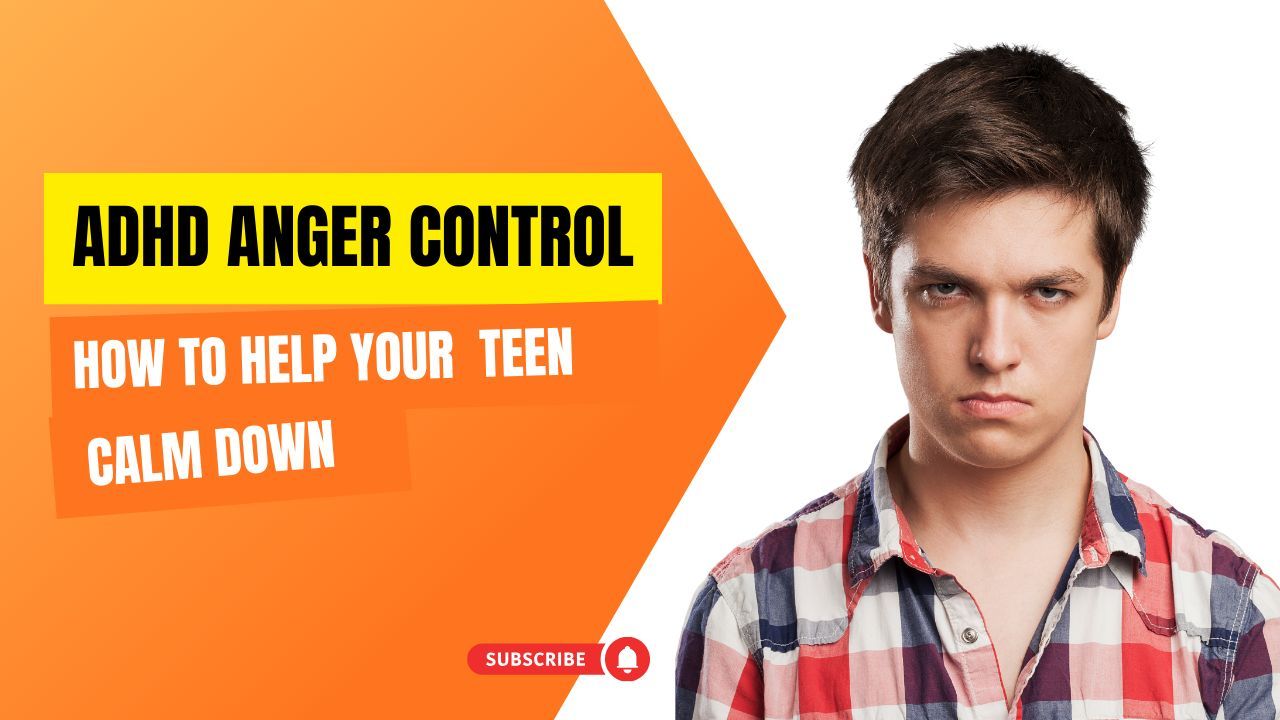
ADHD Anger Control: How to Help Your Teen Calm Down
Feb 12, 2026Parenting a teen who struggles with adhd anger control can sometimes feel like walking a tightrope between chaos and calm. When tempers rise or emotions spill over, it’s natural to want to step in, fix, or control the situation.
But real connection and emotional regulation begin when we steady ourselves first.
I’m Ivan Hardcastle, a parent coach and former occupational therapist. I help families with ADHD teens create homes grounded in understanding, connection, and practical tools for thriving together. If your home feels tense or you’re unsure how to help your teen process emotions, this guide is your next step toward peace — for both of you.
Understanding Teen Emotional Regulation and Impulse Control
Emotional regulation challenges are common in teens with attention differences. Research on Emotional dysregulation in adolescents shows that impulsivity and difficulty managing emotions are neurological patterns — not character flaws.
If you want to understand the deeper brain-based component, you may find it helpful to read The ADHD Brain , which explains how executive functioning impacts emotional control.
You can also explore research on Teens and Executive Function Skills
Practical Strategies for Managing Emotional Outbursts
When your teen is struggling, these steady approaches can make a meaningful difference.
ADHD anger control starts with your calm
Your energy sets the emotional tone of your home. When your teen is overwhelmed, they’re looking — consciously or not — to your nervous system for cues of safety.
If you can stay grounded and calm inside, even while they’re storming on the outside, they’ll begin to regulate through your steadiness. Your calm becomes their anchor.
For a deeper dive into this approach, read How Helping Teens with ADHD Starts with Self-Regulation , where we explore how your nervous system directly influences your teen’s.
Build consistency with adhd anger control
Emotions move like waves — they rise, peak, and eventually fall. When we rush to fix or lecture in the middle of the wave, it often amplifies the surge.
Sometimes the most supportive thing you can do is pause, sit nearby, and allow the wave to pass before speaking. Presence often says more than words.
There is growing research around co-regulation tips for parents and teens that supports this steady, connected approach.
ADHD anger control through active listening
Many teens don’t want immediate solutions — they want to be heard. Resist the urge to jump into advice-giving mode. Instead, reflect what you’re hearing:
“It sounds like that assignment feels really overwhelming right now.”
This simple act of validation helps their brain feel safe enough to start calming itself.
You may also benefit from reading Parent’s Guide to ADHD Regulating Emotions Without Yelling , which walks through practical communication tools for tense moments.
Control techniques that support emotional balance
Anger, resistance, or defiance often mask something deeper — overwhelm, shame, or confusion. Ask yourself, “What might really be going on underneath?”
When you see the stress behind the behavior, compassion naturally replaces frustration.
Four Things to Avoid During Emotional Escalation
Trying to Control the Situation
It’s instinctive to tighten control when things feel chaotic, but force increases resistance. Instead of managing every reaction, focus on modeling emotional regulation.
Adding More Demands
When a teen is dysregulated, their mental “funnel” is already full. Adding more instructions only clogs it further. Simplify the moment. One calm step at a time.
Letting Your Own Frustration Take Over
Your frustration is understandable — but it can quickly feed theirs. Before responding, pause and take a breath. Remind yourself: This is not an emergency.
Following Every Tangent
Teens often deflect or change the topic when emotions run high. You don’t have to chase every thread. Gently hold the focus and return to the core issue once they’re ready to talk.
Building a Calm, Connected Home Environment
Your teen’s nervous system learns from yours. The more you embody steadiness, the more they learn what steadiness feels like. Emotional resilience develops gradually through repeated experiences of safety and understanding.
If you’re ready to take this work further, explore How ADHD Parent Coaching Transforms Stress into Calm at Home for next-step support.
Ready for More Support?
If managing emotional outbursts feels exhausting, you don’t have to figure it out alone. Book a clarity call and discover how parent coaching can help you build a calmer, more connected home.
Connect with me and find out how my Emotionally Empowered Parent Coaching Program can help you to success and calm in your parenting of teens with ADHD
Stay connected with news and updates!
Join our mailing list to receive the latest news and updates from our team.
Don't worry, your information will not be shared.
We hate SPAM. We will never sell your information, for any reason.
